
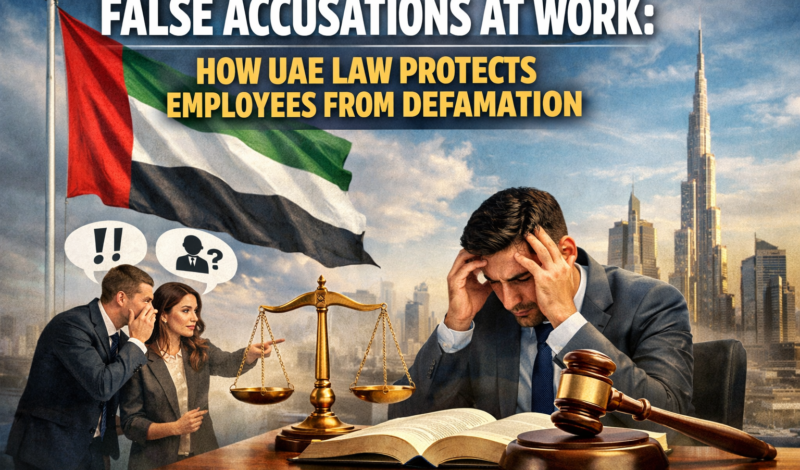

Workplace conversations are a normal part of professional life. Colleagues share information, discuss projects, and build relationships. However, when casual conversations turn into harmful statements about another person, the consequences can extend far beyond office tension. In the UAE, spreading false or damaging information about a colleague is not only unethical but may also lead to legal liability under both criminal and civil laws.
Understanding where workplace gossip ends and defamation begins is essential for maintaining a respectful and legally compliant work environment.
When Workplace Gossip Becomes Defamation
Defamation occurs when someone makes a false statement of fact about another person, communicates that statement to others, and causes reputational, professional, or personal harm. In a workplace setting, this can happen more easily than people realise.
Harmful statements may spread through office conversations, emails, internal messaging platforms such as WhatsApp, Teams, or Slack, or even through social media posts. Once shared, these statements can damage a person’s career, affect their mental well‑being, and undermine their professional reputation.
The key distinction is that defamation involves false statements presented as fact, not opinions or misunderstandings.
The UAE Legal Perspective on Defamation
UAE law takes reputation seriously. Spreading false information that harms another person’s standing may lead to legal consequences under several legal frameworks.
The UAE Crimes and Penalties Law contains provisions relating to insult and defamation. These provisions apply when false statements harm a person’s honour or reputation. The UAE Cybercrime Law applies when the statements are shared electronically, including through messaging apps, emails, or social media.
Depending on the nature of the statement and the platform used, individuals may face fines, civil liability for damages, or criminal consequences. Even forwarding or repeating harmful statements can expose a person to legal risk.
Why This Matters for Employers and Organisations
Employers have a responsibility to maintain a safe and respectful workplace. Allowing rumours, character attacks, or false accusations to circulate unchecked can create a toxic environment. It may also expose the organisation to complaints of harassment, discrimination, or failure to protect employees from reputational harm.
Clear workplace conduct policies, effective HR procedures, and regular awareness training are essential to prevent defamation issues. A proactive approach helps protect both employees and the organisation.
Protecting Professional Integrity
Before sharing information about a colleague, it is important to consider whether the information is verified, whether it is necessary to share, and whether it could harm someone’s reputation. Professional integrity is not only about how we perform our duties but also about how we speak about others.
A respectful workplace culture depends on responsible communication. When employees understand the legal and ethical boundaries, they contribute to a healthier and more productive environment.
Conclusion
Spreading false or harmful information about a colleague is more than unprofessional behaviour. In the UAE, it can amount to defamation and lead to serious legal consequences. Understanding the distinction between ordinary workplace conversation and unlawful conduct is essential for employees and employers alike.
Our team at Ayesha Al Dhaheri Advocates and Legal Consultants advises individuals and organisations on defamation risks, workplace misconduct, and compliance with UAE laws governing reputation and electronic communication. If you are facing a defamation issue or need guidance on workplace policies, we provide clear and practical legal support.